Blog
Mobile Crane Pre-Purchase Inspection Checklist: What to Look For
A practical checklist for inspecting a used mobile crane before you buy, covering structure, hydraulics, rigging gear, and certification records.
A crane pre-purchase inspection should cover ten areas before money changes hands: usage history, maintenance records, structural condition, hydraulics, wire rope and rigging gear, thorough-examination certificates, load chart availability, undercarriage or track condition, electrical and control systems, and a supervised test lift. Skipping any one of these can turn a “good deal” into a machine that fails its first thorough examination on your site, at your cost.
Buying a used crane is not like buying a used car. A crane that looks clean on the outside can be hiding fatigue cracks in the boom, a slipping hydraulic system, or a certification gap that stops it from working on a regulated site the day you take delivery. This checklist walks through what a qualified inspector actually checks, and why each item matters to the machine’s resale value and day-one usability.
Key Takeaways
– A full pre-purchase inspection covers structure, hydraulics, rigging gear, certification history, and a test lift, not just a visual walk-around.
– Hour meter readings mean little without matching service records; mismatched numbers are a red flag on their own.
– A crane without a current thorough-examination certificate, or with a legible load chart, cannot legally work in the UAE until both are in order.
– Budget for an independent, third-party inspection rather than relying solely on the seller’s paperwork.
The Ultimate Crane Inspection Checklist
Hour Meter and Usage History
The hour meter tells you how much the crane has worked, but only in combination with other evidence. A low reading on its own is not proof of light use. Hour meters can be replaced, reset, or simply stop working, and a crane sitting idle for years develops its own problems from seals drying out and hydraulic fluid degrading.
Cross-check the hour meter against service stickers, logged maintenance dates, and the seller’s account of the crane’s work history. If the numbers on the meter do not line up with the dates and intervals in the service book, ask why. A seller who cannot explain a discrepancy is a seller you should be cautious with.
Maintenance and Service Records
Complete maintenance records are one of the strongest indicators of how a crane has actually been treated. Look for a consistent service interval, named technicians or workshops, parts replaced, and any record of major repairs such as boom section replacement or engine overhaul.
Gaps in the records matter as much as what is recorded. A crane with a full five-year history and one with random entries every eighteen months are not the same purchase risk, even if their hour meters read identically. Ask the seller for original invoices where possible rather than a summary sheet, since invoices are harder to fabricate and show the actual parts and labor involved.
Structural Inspection: Boom, Chassis, and Outriggers
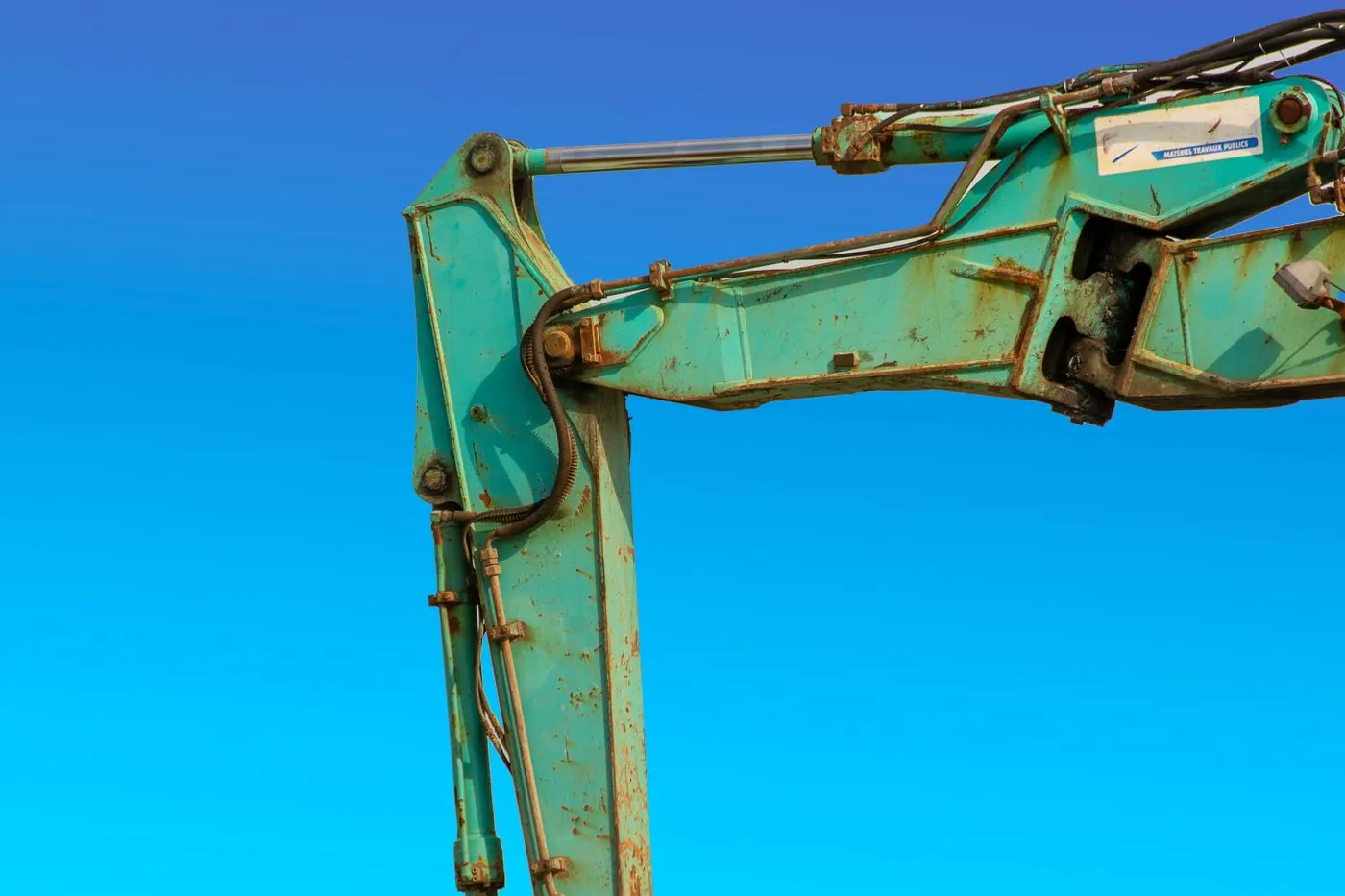
The structural check is where a qualified inspector earns their fee. Boom sections, the chassis frame, and outrigger beams all carry load and all fatigue over time, and cracks in these components are frequently the most expensive faults to repair, sometimes expensive enough to make the crane not worth buying.
Inspectors look for:
- Hairline cracks or corrosion at welds, particularly around boom pin connections and outrigger mounting points
- Bent or misaligned boom sections, checked with the boom fully extended
- Wear or play in outrigger jacks and pads
- Repaired sections that were not documented in the maintenance history
A visual check from ground level will miss most of this. Structural cracks often start on the inside of box sections or underneath paint and rust-proofing, which is why a proper inspection involves close-range checks and, for serious purchases, non-destructive testing on high-stress points.
Hydraulic System Condition
Hydraulic problems are common on older cranes and expensive to fix properly. Check hydraulic lines and hoses for cracking, leaks, or bulging, and look at cylinder rods for pitting or scoring, since damaged rods will chew through seals quickly once the crane goes back into regular use.
Run the crane through a full cycle of boom extension, retraction, and luffing if the seller allows it. Listen for unusual noise, watch for jerky or delayed movement, and check that the boom holds its position without drifting once the controls are released. Drift under load is one of the clearest signs of internal cylinder wear.
Wire Rope and Rigging Gear Condition
Wire rope, hooks, and rigging gear are consumable items, but their condition still affects the purchase decision. Look for broken wires, corrosion, kinking, or flattening along the rope, and check that the hook block, safety latch, and swivel move freely without excessive play.
Even if you plan to replace the wire rope after purchase, its current condition tells you something about how the previous operator maintained the machine day to day. Rope that was clearly overdue for replacement is a small warning sign worth noting alongside the bigger structural and hydraulic findings.
Thorough-Examination Certificate History and Currency
In the UAE, a crane needs a current thorough-examination certificate to work on most regulated sites, and this is one of the few checklist items that has a hard compliance consequence if ignored. Ask for the full certificate history, not just the most recent one, so you can see whether examinations have happened on schedule or whether there are gaps.
A crane without a valid, current certificate is not necessarily unsafe, but it cannot go to work until it passes a new examination, which adds cost and delay to your purchase. Factor that into your offer if the certificate has lapsed or is close to expiring.
Load Chart Availability and Legibility
The load chart is not paperwork you can do without. It tells the operator exactly what the crane can lift at every boom length and radius, and an operator working without one, or with a faded and unreadable chart, is working blind on capacity limits.
Confirm that the load chart matches the specific crane, including its exact boom and counterweight configuration, and that it is still legible in the cab. Charts fade, get replaced with the wrong version, or go missing entirely on older machines, and a replacement chart needs to come from the manufacturer or an authorized source, not printed off a generic template.
Tyre and Undercarriage Condition (or Track Condition for Crawlers)
For wheeled mobile cranes, check tyre tread depth, sidewall condition, and even wear across all axles. Uneven wear can point to alignment problems or overloading on one side of the chassis. For crawler cranes, inspect track pads, rollers, and idlers for wear, and check track tension, since worn undercarriage components are expensive to replace and often overlooked during a quick walk-around.
Electrical and Control System Check
Test every control function, warning light, and safety interlock, including the rated capacity indicator or load moment indicator if fitted. These systems warn the operator before an overload situation develops, and a faulty indicator effectively removes a layer of protection the crane was designed to have.
Check that all lights, alarms, and camera systems (if fitted) work correctly, and ask whether the control system has had any software updates or calibration since it left the factory.
Recommend a Test Lift Before Purchase
A supervised test lift is the single best way to confirm everything else on this checklist. Watching the crane pick, hold, swing, and set down a known load tells you more in twenty minutes than a stack of paperwork can. Arrange the test lift with a qualified operator present, use a load close to a realistic working capacity, and watch for smooth, controlled movement at every stage.
If the seller resists a test lift, treat that as a warning sign. A crane in genuinely good condition should have nothing to hide.
Working With an Independent Inspector
Sellers’ paperwork is a starting point, not a substitute for an independent inspection. A qualified, third-party inspector has no stake in the sale price and will flag issues a seller might reasonably overlook or choose not to mention. For a purchase of this size, the cost of an independent inspection is small compared to the cost of discovering a structural fault after the sale.
Used vs new crane purchase vs rental
If you are still deciding whether buying outright is the right move for your project timeline, it is worth weighing a used crane purchase against renting equipment for the duration of the job, since the right answer depends on utilization, not just upfront price. Browse available equipment configurations at https://www.redtigercranes.com/equipment/ to compare specifications against whatever machine you are evaluating for purchase.
FAQ
How long does a crane pre-purchase inspection take?
A thorough inspection, including structural checks, hydraulic testing, and a test lift, typically takes a full day for a single crane. Rushed inspections completed in an hour or two are unlikely to catch structural or hydraulic issues that only show up under load.
Who should perform the inspection?
Use a qualified inspector independent of the seller, ideally someone trained to recognized lifting equipment standards such as LEEA, with experience inspecting the specific crane type and manufacturer you are buying. An operator’s opinion is useful but is not a substitute for a formal inspection with documented findings.
What is the most common fault found in used crane inspections?
Hydraulic cylinder wear and structural fatigue at boom and outrigger welds are among the most frequently found issues on older cranes, particularly machines that have worked in harsh outdoor conditions without consistent maintenance intervals.
Can I still buy a crane if its thorough-examination certificate has expired?
Yes, but the crane cannot legally work on most regulated sites until it passes a new thorough examination. Factor the cost and lead time of a new examination into your offer, and confirm who is responsible for arranging it before finalizing the purchase.
Final Word
A mobile crane pre-purchase inspection protects you from buying someone else’s deferred maintenance problem. Work through the checklist in order, insist on an independent inspector, and do not skip the test lift. If you need a second opinion on a machine you are evaluating, or want to compare it against current equipment specifications, contact Red Tiger Cranes for guidance based on two decades of operating and maintaining mobile cranes across the UAE.

Faizan Ahmed
Related Articles
All articles Blog
Blog Crane Rental for Ports and Logistics Operations in the UAE
Mobile crane rental for UAE ports and logistics: breakbulk cargo, warehouse installs, and free zone lifts that complement fixed port…
Read article Blog
Blog Daily vs Weekly vs Monthly Crane Rental Rates: Which Is Cheaper?
Compare daily, weekly, and monthly crane rental rates in the UAE, including mobilisation costs, to find the true cheapest option…
Read article Blog
Blog Crane and Rigging Support for Hospitality and Hotel Construction Projects
How hotel and resort builds in the UAE use crane rental for facade, MEP, pool, and waterfront lifts without slowing…
Read articleReady to Discuss Your Project?
Share your load, location and dates. Our team responds to every enquiry within 2 hours.