Blog
Crane Rental for Ports and Logistics Operations in the UAE
Mobile crane rental for UAE ports and logistics: breakbulk cargo, warehouse installs, and free zone lifts that complement fixed port infrastructure.
Mobile crane rental fills the gaps that fixed port infrastructure cannot cover. Container gantry cranes handle the routine, high-volume work of moving standard containers off vessels, but ports and logistics facilities also deal with out-of-gauge cargo, equipment maintenance, and warehouse fit-outs that need a different kind of lifting solution. A mobile crane brought in on demand, staffed by trained operators, and mobilised within hours is often the more practical choice for these tasks.
For operators in UAE ports, free zones, and logistics parks, understanding when to rely on fixed infrastructure and when to bring in a mobile crane rental provider can prevent costly delays. This post covers the specific use cases where mobile cranes support port and logistics operations, along with the free zone permit considerations that come with working in areas like Jebel Ali.
Key Takeaways
– Mobile cranes handle breakbulk, out-of-gauge cargo, and maintenance lifts that fixed container gantries are not designed for.
– Warehouse and logistics facility installs, racking systems, HVAC units, machinery, frequently require mobile crane support.
– Free zone areas such as Jebel Ali require Trakhees-aligned documentation and access coordination before mobilisation.
– Rapid mobilisation and flexible scheduling matter most in 24/7 logistics environments where downtime has a direct cost.
Where Mobile Cranes Fit Alongside Fixed Port Infrastructure
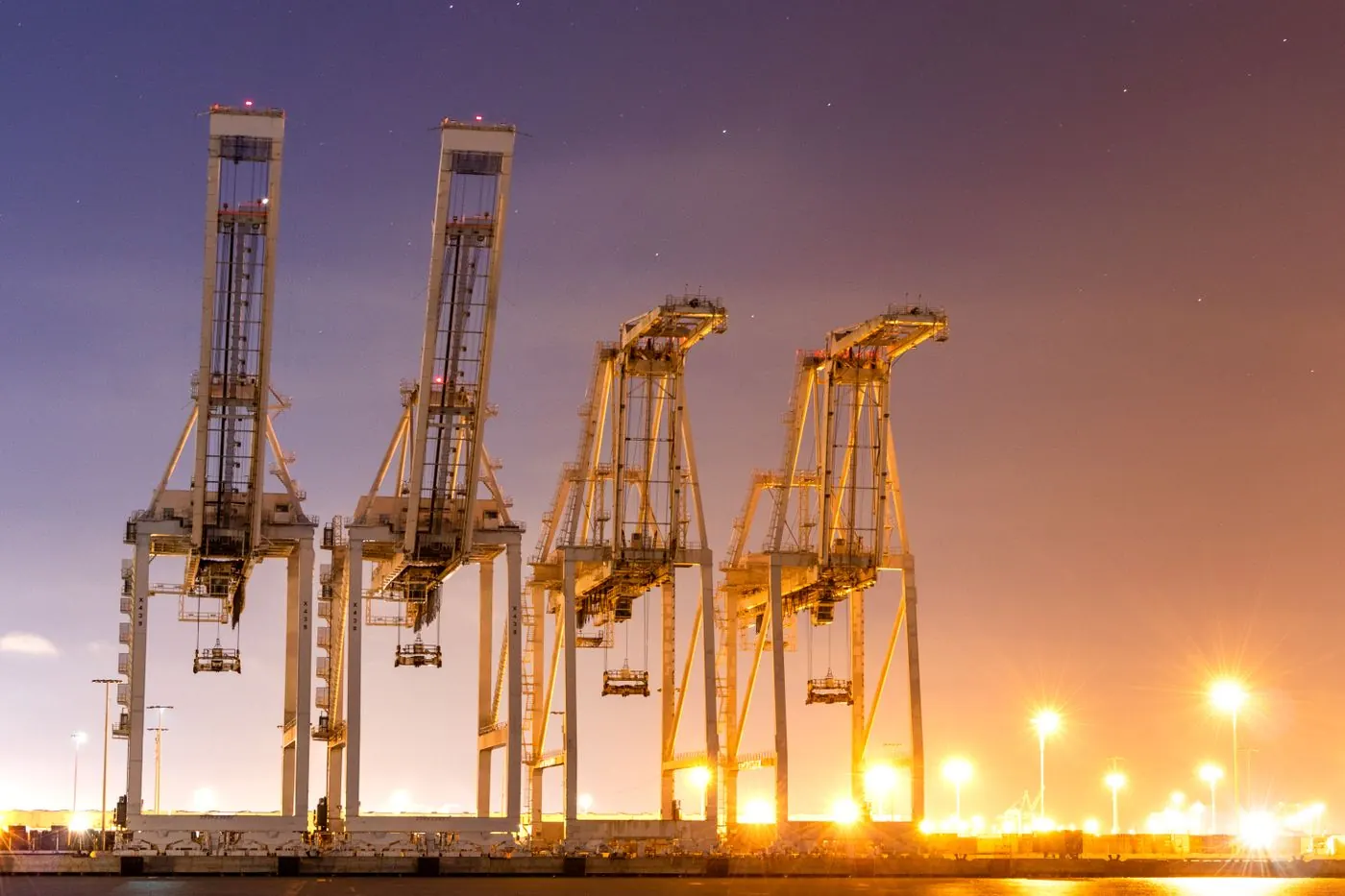
Dedicated container gantry cranes are built for one job: moving standardised containers between vessel and yard as fast as possible. They are fixed to rail systems, optimised for repetitive cycles, and not designed to handle irregular loads or move outside their track. That is precisely where mobile crane rental becomes relevant.
Out-of-gauge and breakbulk cargo, oversized machinery, steel coils, wind turbine components, project cargo that does not fit inside a standard container, needs lifting equipment with more flexibility in reach, positioning, and load handling than a fixed gantry can offer. A mobile crane can be positioned wherever the cargo sits, adjust boom angle and radius on site, and move to a different location within the same shift if the job requires it.
Mobile cranes also step in for tasks unrelated to cargo movement itself: gantry crane maintenance and component replacement, moving heavy port equipment during upgrades, and supporting temporary lifts during facility construction or expansion. Ports run continuously, so maintenance windows are often short and unpredictable, which makes having a rental provider on call more useful than owning idle equipment for occasional use.
logistics and transport sector overview
Warehouse and Logistics Facility Equipment Installation
Logistics parks and distribution centres generate steady demand for crane support that has nothing to do with vessels or containers. Installing racking systems, positioning rooftop HVAC units, placing conveyor systems, and setting heavy machinery inside warehouses all require lifting capacity that most facilities do not keep on site permanently.
This work tends to be scheduled around facility operating hours, since active warehouses cannot always pause for extended lift windows. A rental provider that can plan a lift around a narrow access window, coordinate with facility management on load paths, and complete the job without disrupting daily throughput is a better fit than in-house equipment that sits unused between projects.
Facility expansions and fit-outs are a common trigger for this kind of work. When a logistics operator adds new storage capacity or upgrades material handling systems, the installation phase usually needs cranes rated for the specific weight and reach of the equipment being placed, not a general-purpose machine kept on site for smaller tasks.
Free Zone Considerations: Trakhees, JAFZA, and DP World Areas
Working inside UAE free zones adds a layer of coordination that does not apply on open sites. Areas under Jebel Ali Free Zone (JAFZA) and DP World fall within Trakhees jurisdiction, which means lifting operations need documentation and access approvals aligned with Trakhees requirements before equipment can mobilise.
This typically involves permit applications, site access clearance for crane and operator, and confirmation that the rental provider’s certifications meet the free zone’s safety standards. A provider familiar with Trakhees processes can prepare the necessary paperwork in advance, which shortens the gap between booking and mobilisation. Providers without that experience often cause delays at the gate, which is a cost logistics operators cannot easily absorb in time-sensitive schedules.
Beyond Trakhees-governed zones, other UAE logistics hubs have their own site access and safety induction requirements. Confirming these details before the job is scheduled, rather than on the day of mobilisation, avoids the kind of last-minute holdups that ripple through a facility’s broader schedule.
contact the team to confirm free zone access requirements
Why Flexibility and Rapid Mobilisation Matter
Ports and logistics facilities run on tight, continuous schedules. A vessel with breakbulk cargo cannot wait for equipment that takes days to arrange, and a warehouse cannot leave a maintenance issue unresolved while a crane provider works through a long booking process. Speed of mobilisation is often the deciding factor in whether a lift gets handled on time.
Flexibility matters just as much as speed. Cargo dimensions, weights, and site layouts vary from one job to the next, so a rental fleet with a range of crane capacities, from smaller mobile units for warehouse work up to larger cranes for heavier breakbulk cargo, gives logistics operators options instead of forcing every job through a single equipment type.
A provider that can respond quickly, supply the right crane for the specific load, and manage free zone documentation without extra back-and-forth reduces the operational risk that comes with unplanned lifting needs. In a sector where downtime has a direct cost, that combination of speed and adaptability is what separates a reliable rental partner from one that adds friction to already tight schedules.
FAQ
Do mobile cranes replace container gantry cranes at ports?
No. Container gantry cranes remain the primary equipment for routine container handling. Mobile cranes support operations by handling out-of-gauge cargo, maintenance lifts, and tasks outside the gantry’s designed scope.
What permits are needed to bring a crane into a Trakhees-regulated area?
Requirements vary by site, but generally include access clearance for equipment and operators along with documentation confirming the provider’s safety certifications meet Trakhees standards. Confirming these details ahead of the job date helps avoid delays at mobilisation.
How quickly can a mobile crane be mobilised to a logistics facility?
Mobilisation time depends on crane size, site location, and any free zone access requirements, but rental providers with experience in port and logistics environments generally prioritise fast turnaround given the operational cost of downtime in this sector.
Can one rental provider supply cranes for both breakbulk cargo and warehouse installation work?
Yes, provided the fleet covers a range of capacities. A single provider managing both types of work can simplify scheduling and reduce the coordination needed across multiple vendors.
Conclusion
Mobile crane rental does not compete with fixed port infrastructure, it complements it. From handling breakbulk cargo that container gantries were never built for, to supporting warehouse installs and navigating free zone access requirements, the right rental partner keeps logistics operations moving without unnecessary delays. For UAE port and logistics operators evaluating crane support, the next step is confirming fleet capacity, certifications, and free zone experience before a job deadline forces the decision.

Faizan Ahmed
Related Articles
All articles Blog
Blog Daily vs Weekly vs Monthly Crane Rental Rates: Which Is Cheaper?
Compare daily, weekly, and monthly crane rental rates in the UAE, including mobilisation costs, to find the true cheapest option…
Read article Blog
Blog Crane and Rigging Support for Hospitality and Hotel Construction Projects
How hotel and resort builds in the UAE use crane rental for facade, MEP, pool, and waterfront lifts without slowing…
Read article Blog
Blog Crane Rental for Infrastructure and Road Projects Across the Emirates
Infrastructure crane rental in the UAE: bridge beams, pipelines, precast segments, RTA permits, night work, and multi-emirate logistics.
Read articleReady to Discuss Your Project?
Share your load, location and dates. Our team responds to every enquiry within 2 hours.