Blog
Choosing a Crane for High-Rise Construction: Capacity and Reach Guide
How to choose a crane for high rise construction: tower crane vs mobile crane roles, capacity at height, and UAE site logistics.
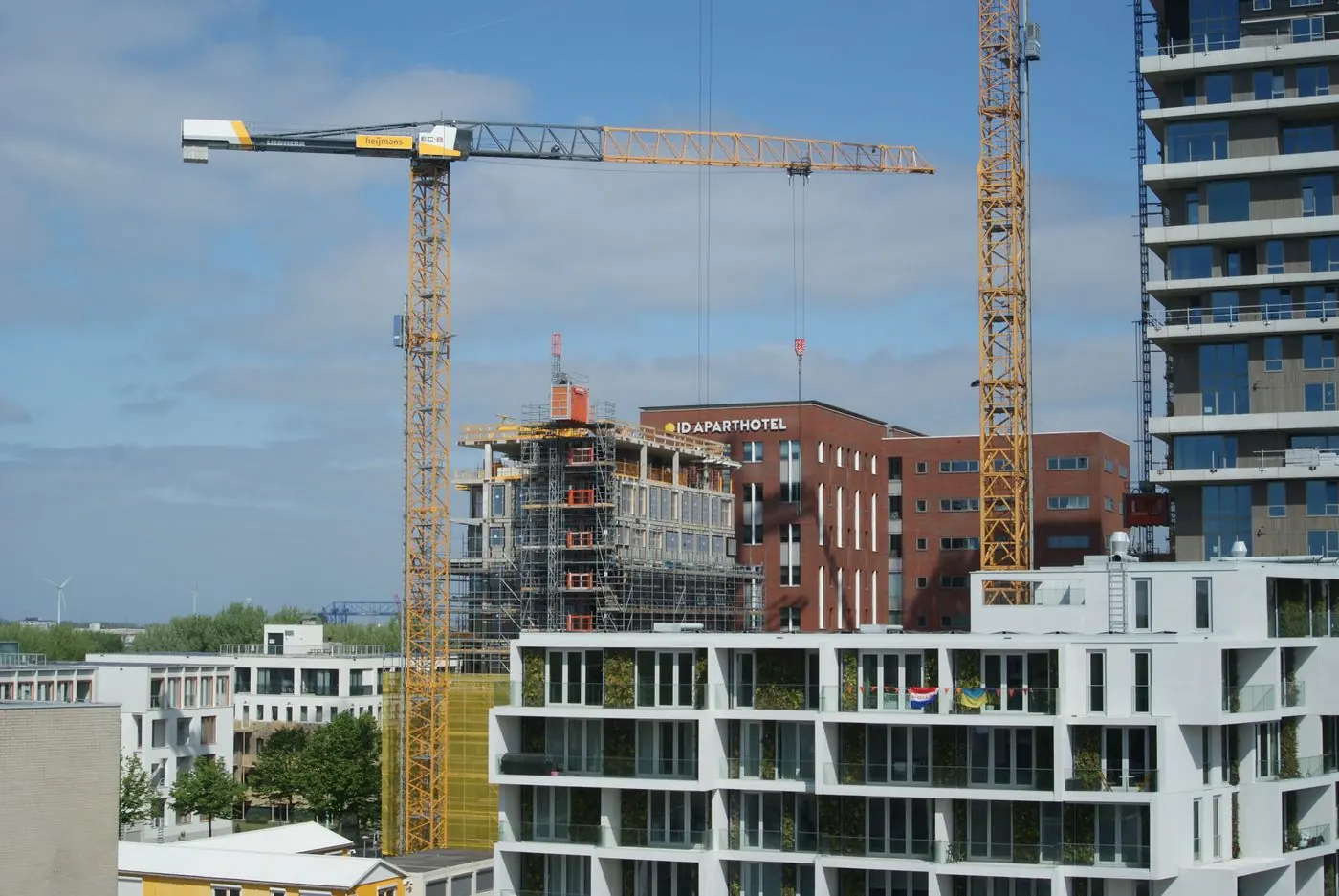
Most high-rise projects end up using both a tower crane and one or more mobile or crawler cranes, not one or the other. The tower crane typically handles the bulk of vertical lifting once it is standing, but a mobile or crawler crane is almost always needed to erect that tower crane, dismantle it later, and handle foundation and early-stage lifts before it is operational. Choosing the right crane for high-rise construction means planning for both machines and the handoffs between them, not just picking the biggest tower crane available.
This guide walks through how capacity and reach requirements change with building height, why urban UAE sites add their own constraints, and when a large mobile or crawler crane can stand in for a tower crane entirely on lower-rise work.
crane rental for high-rise construction Dubai
Key Takeaways
– High-rise projects almost always need a mobile or crawler crane to erect and dismantle the tower crane, even though the tower crane does most of the ongoing structural lifting.
– Tower crane capacity drops as radius increases, so load charts must be checked against the actual lift position, not just maximum capacity.
– Dense UAE urban sites often limit laydown area and force road closures or night lifts, which shapes which crane configuration is practical.
– On mid-rise projects, a large mobile or crawler crane can sometimes replace a tower crane entirely, avoiding weeks of static crane time.
Why High-Rise Projects Combine Tower Cranes and Mobile Cranes
A tower crane is the right tool for repetitive, high-frequency lifting once a building rises past the reach of ground-based equipment. It stays fixed on site for months, lifting formwork, rebar, concrete buckets, and mechanical units floor by floor. But a tower crane cannot lift itself into place. That job falls to a mobile or crawler crane sized for the tower crane’s base sections, mast segments, jib, and counterweights.
Before the tower crane is standing, the site still needs lifting capability for foundation work, piling rigs, shoring, and early structural steel or precast elements. A mobile crane usually covers this phase. Once the tower crane is commissioned, the mobile crane typically leaves site or shifts to secondary tasks like material offloading at street level, only to return later for dismantling when the structure tops out.
Red Tiger high-rise construction sector page
Foundation and Substructure Lifting
Foundation-stage lifts, piling equipment, dewatering pumps, and shoring materials, rarely require tower crane reach but do require solid ground-bearing capacity and stable outrigger footing near excavation edges. A mobile crane with the right ground bearing pressure calculation for the site’s soil conditions handles this work without waiting for the tower crane installation to finish.
Tower Crane Erection and Climbing
Tower crane erection is itself a heavy lift. Base sections and counterweights can each weigh several tonnes, and the assist crane needs enough capacity and boom length to place mast sections at height as the tower crane climbs internally or is built up externally. Crawler cranes are common for this task on larger tower crane models because they offer higher capacity at moderate radius without needing extensive outrigger setup.
Tower Crane Dismantling
Dismantling happens under time pressure, often coordinated with a tight street closure window. The assist crane needs a capacity margin similar to the erection phase, and the sequence has to account for the tower crane’s own jib and counterweight removal order. Planning this stage early, rather than treating it as an afterthought once the building tops out, avoids schedule conflicts near project completion.
Capacity and Reach Considerations at Height
A tower crane’s rated capacity is not a single number. It drops as the load moves further from the mast, following the crane’s load chart. A tower crane might lift 12 tonnes near the base and only 2 to 3 tonnes at maximum jib radius. Site planners need to map out where heavy lifts will actually occur relative to the crane’s position, not just assume maximum capacity applies everywhere on the footprint.
Mobile and crawler cranes follow the same principle: capacity falls off with radius and rises with boom angle. For assist lifts during tower crane erection, the critical numbers are the radius at which the heaviest component (usually a counterweight or base section) must be placed and the corresponding capacity at that radius, factoring in boom length needed to clear the partially built tower crane structure.
Wind is a bigger factor at height than at ground level. Both tower cranes and the mobile cranes assisting them have wind speed limits that tighten as boom length and load surface area increase. UAE coastal sites can see gusty conditions that shut down lifting for parts of the day, particularly for large flat loads like precast panels or MEP skids.
Site Logistics in Dense UAE Urban Developments
Urban high-rise sites in Dubai, Abu Dhabi, and Sharjah rarely have the open laydown space that suburban or industrial projects enjoy. Site boundaries often sit close to public roads, neighboring towers, and utility corridors, which shapes every decision about crane positioning and material staging.
Limited Laydown Area
With little room to stockpile materials on site, deliveries often need to be scheduled just-in-time, and cranes need to be positioned where they can pick directly from delivery trucks rather than from a staging yard. This affects both the mobile crane’s ground position during early works and the tower crane’s slew radius planning.
Road Closures and Traffic Coordination
Erecting or dismantling a tower crane, or bringing in a large mobile or crawler crane, frequently requires partial or full road closures, especially when boom sections need to be walked in over public right-of-way. Coordinating these closures with local traffic authorities takes lead time, and permit windows can be tighter than the actual lifting operation requires.
Night Work
Some UAE municipalities restrict daytime road closures on major arteries, pushing heavy lift operations, including tower crane erection and dismantling, into night shifts. Night lifting adds lighting, signage, and crew scheduling requirements on top of the standard lift plan, and it should be factored into the project schedule well before mobilization.
Coordinating Mobile Crane and Tower Crane Operations
When both cranes operate on the same site during transition periods, clear sequencing prevents conflicts. Site teams typically define which crane handles which zone and which time window, so the tower crane’s slew arc and the mobile crane’s working radius do not overlap during simultaneous operations.
Radio communication protocols, a shared lift schedule, and a single point of contact for lift coordination reduce the risk of miscommunication between crane operators working near each other. This matters most during the handover period, when the mobile crane is still active for secondary lifts while the tower crane has already started its primary work.
mobile crane vs crawler crane comparison
When a Large Mobile or Crawler Crane Can Replace a Tower Crane
Not every multi-story project needs a tower crane. On buildings roughly in the mid-rise range, where the structure does not exceed the practical reach of a large mobile or crawler crane’s boom and jib combination, a single large crane can sometimes cover the entire project without the cost and lead time of tower crane mobilization, climbing, and dismantling.
This approach tends to work best when the site has enough ground space for the crane to reposition as needed, the building footprint is compact enough that one or two crane positions cover the whole structure, and the project timeline does not justify the fixed cost of a tower crane sitting on site for many months. A large crawler crane, in particular, can offer strong capacity at height without the foundation work a tower crane base often requires.
The trade-off is ground footprint and mobility. A mobile or crawler crane needs room to work and may need to relocate as the building rises, which a fixed tower crane does not. Site planners weighing this option usually compare the total cost of tower crane mobilization, base preparation, and eventual dismantling against the cost of an extended mobile or crawler crane rental with the flexibility to move as needed.
contact Red Tiger Cranes for a lift plan consultation
FAQ
Does a high-rise project always need a mobile crane in addition to a tower crane?
In practice, yes. Even projects built almost entirely with a tower crane still need a mobile or crawler crane to erect the tower crane initially and dismantle it once the structure tops out, along with handling foundation-stage lifts before the tower crane is operational.
How is tower crane capacity affected by building height?
Height itself does not reduce tower crane capacity directly, but radius does. As the jib extends further from the mast to reach a lift point, rated capacity decreases according to the crane’s load chart, so lifts planned near the tip of the jib have much lower capacity than lifts near the base.
Can a mobile crane fully replace a tower crane on a high-rise project?
Generally not on true high-rise structures, since mobile and crawler crane reach at usable capacity is limited compared to a tower crane’s sustained height advantage. On mid-rise projects within the crane’s effective working range, a large mobile or crawler crane can sometimes replace a tower crane entirely.
Why do tower crane erection and dismantling often happen at night in the UAE?
Some municipalities restrict daytime road closures on busy routes, and erecting or dismantling a tower crane frequently requires closing public roads to move boom and mast sections into place. Night work avoids conflicting with peak daytime traffic.
Conclusion
Planning a crane for high-rise construction means thinking beyond the tower crane’s headline capacity and considering the full sequence: mobile or crawler crane support for foundation work, tower crane erection, ongoing coordination between machines, and eventual dismantling. Urban UAE sites add another layer of planning around laydown space, road closures, and permitted work hours. Getting this sequencing right early in the project schedule avoids costly delays when the tower crane needs to come down and street closures were not booked in time.
For help matching crane capacity and reach to a specific high-rise site plan, contact Red Tiger Cranes to discuss equipment options from the current fleet.

Faizan Ahmed
Related Articles
All articles Blog
Blog Crane Rental for Ports and Logistics Operations in the UAE
Mobile crane rental for UAE ports and logistics: breakbulk cargo, warehouse installs, and free zone lifts that complement fixed port…
Read article Blog
Blog Daily vs Weekly vs Monthly Crane Rental Rates: Which Is Cheaper?
Compare daily, weekly, and monthly crane rental rates in the UAE, including mobilisation costs, to find the true cheapest option…
Read article Blog
Blog Crane and Rigging Support for Hospitality and Hotel Construction Projects
How hotel and resort builds in the UAE use crane rental for facade, MEP, pool, and waterfront lifts without slowing…
Read articleReady to Discuss Your Project?
Share your load, location and dates. Our team responds to every enquiry within 2 hours.